
4mm frosted glass
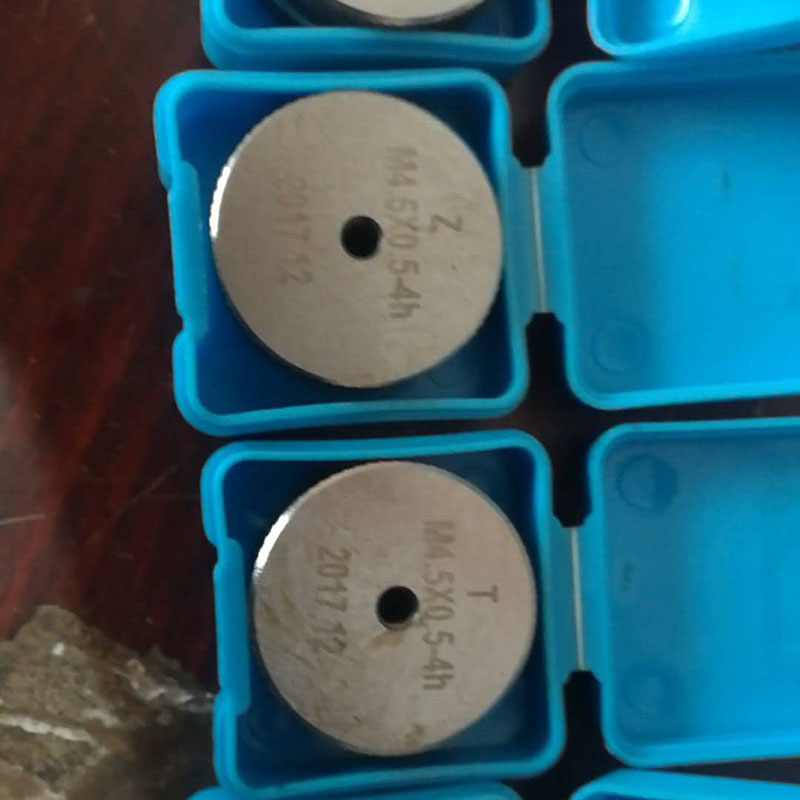
Understanding Micrometer Sets A Comprehensive Guide Micrometers are essential precision measuring instruments widely used in various fields such as engineering, manufacturing, and science. Their primary purpose is to measure small dimensions with high accuracy, making them indispensable tools for professionals who require precise measurements in their work. A micrometer set typically consists of various micrometers, each tailored for specific measurement applications. In this article, we will explore the components of a micrometer set, their functions, and how to use them effectively. Components of a Micrometer Set A standard micrometer set generally includes several key components 1. Micrometers The core of any micrometer set. There are different types of micrometers, including outside micrometers, inside micrometers, and depth micrometers. Each serves a unique purpose - Outside Micrometers Used for measuring the external dimensions of an object, such as the diameter of a rod or the thickness of a sheet. - Inside Micrometers Designed for measuring internal dimensions, such as the bore of a hole. - Depth Micrometers Ideal for measuring the depth of features, such as holes or grooves, especially in machining tasks. 2. Calibration Standards To ensure accuracy, micrometers often come with calibration standards. These might include gauge blocks or specific measurement standards that help verify the precision of the instrument. 3. Carrying Case A sturdy carrying case protects the micrometers during transport and storage. It typically has compartments for individual micrometers and calibration standards, ensuring they remain organized and safe from damage. 4. Instruction Manual Many micrometer sets include an instruction manual or a user guide . This resource is vital for understanding how to read and use the micrometers correctly. Understanding Micrometer Measurement One of the main features of micrometers is their ability to measure dimensions down to one-thousandth of a millimeter (0.001 mm) or even finer, depending on the quality of the micrometer. The measurement process involves the following steps micrometer set 1. Adjusting the Micrometer Open the micrometer jaws by turning the thimble, then place the object to be measured between the jaws. 2. Closing the Jaws Carefully turn the thimble to close the jaws around the object until there is a slight resistance. It is crucial not to overtighten, as this may lead to inaccurate readings or damage to the micrometer. 3. Reading the Scale Most micrometers feature a main scale and a graduated thimble. The main scale provides whole millimeter measurements, while the thimble offers fractional measurements. By combining the readings from both scales, you can determine the precise measurement. 4. Recording the Measurement After obtaining the measurement, it is essential to record it promptly and accurately for future reference. Proper documentation is critical in professional settings where precision is crucial. Importance of Calibration and Maintenance Maintaining the accuracy and longevity of micrometer sets is paramount. Regular calibration and proper handling can prevent measurement errors. Micrometers should be cleaned regularly to remove any dirt or debris that could affect their precision. Additionally, they should always be stored in their protective cases to prevent damage. Professional users often have micrometer sets calibrated by certified laboratories to ensure they meet industry standards. Depending on usage frequency and environmental conditions, calibration should occur at regular intervals. Conclusion A micrometer set is an invaluable tool for anyone involved in precision measurement. Understanding the different types of micrometers and how to use them correctly can significantly enhance measurement accuracy and efficiency. By maintaining these instruments with care and incorporating regular calibration into your routine, you can ensure reliable performance that meets the demands of your professional work. Whether you are an engineer, machinist, or hobbyist, investing in a quality micrometer set is a wise decision that pays off in terms of precision and reliability.
about
4mm frosted glass
When it comes to industrial applications, gate valves are essential components designed to control the flow of fluids. Among the various types of gate valves, the soft seal gate valve and the hard seal gate valve are two distinct variations that serve specific purposes. Understanding their differences and applications can help engineers and decision-makers choose the right valve for their needs. Understanding Soft Seal Gate Valves A soft seal gate valve utilizes a flexible material, usually elastomeric, for its sealing surface. This design allows the valve to create a seal that effectively prevents leakage when closed. Soft seal gate valves are known for their ease of operation and maintenance, making them an attractive option in applications that require frequent valve actuation. The advantages of soft seal gate valves include: - Excellent Sealing Performance: The flexibility of the sealing material allows for tight sealing against fluid flow, reducing the risk of leakage. - Low Torque Operation: Soft seal designs often require less torque to open and close, facilitating smoother valve operation. - Cost-Effective: Generally, soft seal gate valves are more cost-effective to manufacture and purchase, making them a budget-friendly option for many projects. - Versatility: Suitable for various applications, including water, oil, and gas, where occasional throttling is acceptable. Exploring Hard Seal Gate Valves On the other hand, the hard seal gate valve features a rigid sealing surface typically made of metal or ceramic materials. This design provides enhanced durability and makes hard seal gate valves ideal for high-pressure and high-temperature applications. Key characteristics of hard seal gate valves include: - High Pressure and Temperature Resistance: The robust materials used can withstand severe conditions, making them suitable for challenging environments. - Longevity: Hard seal gate valves are built to last, reducing the frequency of replacements and contributing to lower maintenance costs in the long term. - Reduced Wear and Tear: The durable construction means they are less prone to damage from abrasive materials or extreme working conditions. - Suitable for Low Flow Applications: Hard seal gate valves excel in applications where fluid flow is minimal, requiring a reliable, leak-proof experience when fully closed. Choosing the Right Valve for Your Application When deciding between a soft seal gate valve and a hard seal gate valve, consider the specific requirements of your application: 1. Operating Conditions: If your application involves high-pressure or high-temperature fluids, the hard seal gate valve is likely the better option. Conversely, for standard conditions with infrequent use, a soft seal gate valve may suffice. 2. Frequency of Use: If the valve is intended for regular adjustments or maintenance, a soft seal design may offer improved ease of use. 3. Budget Considerations: Evaluate your project budget. Soft-seal gate valves are generally more affordable upfront, while hard-seal gate valves may yield savings over time due to their durability. 4. Fluid Type: Certain fluids may necessitate specific types of sealing materials. Ensure that the chosen valve material is compatible with the fluid to avoid degradation. In summary, both soft seal gate valves and hard seal gate valves possess unique features and advantages that cater to different industrial needs. Understanding their differences in terms of sealing mechanisms, operational characteristics, and applications is crucial for making an informed decision. By selecting the appropriate gate valve, you can enhance system functionality, ensure reliable fluid control, and optimize overall performance in your engineering applications.
-

High quality industrial productsagement

High quality industrial products
View Details -

Meet the diverse needs of customers

Meet the diverse needs of customers
View Details -

Strict quality control

Strict quality control
View Details -

Top raw materials

Top raw materials
View Details -

Trusted supplier

Trusted supplier
View Details
Our application


news and information
Y Shaped Strainer for Efficient Filtration and Fluid Management Solutions
Understanding Y-Shaped Strainers Essential Components in Fluid Systems In various industrial and com

Why the Right Angle Ruler Reigns in Metalworking
In the high-stakes world of metal fabrication, machining, and welding, precision isn't just desirabl
vratový ventil z oceli
Ocelové klapky Klíčový prvek v průmyslových aplikacích Ocelové klapky, známé také jako klapkové vent
 English